

At Green Vault International
Green Vault International (GVI) is a Ghanaian female startup-positioned at the nexus of climate action, sustainable development, and green innovation. Founded in 2025, GVI leverages Ghana’s strategic location, abundant natural resources, and growing policy support for climate resilience to deliver integrated services across renewable energy, ecosystem
we believe the most powerful solutions to our planet’s crises grow from the ground up, nurtured by community wisdom, innovation, and unwavering commitment to justice. We design scalable, nature-based interventions that tackle climate change, waste inequality, and social exclusion across in Ghana. By transforming ecological challenges into opportunities for regeneration, we empower communities to become architects of their own thriving futures.
Our Mission:
To accelerate Ghana’s transition to a regenerative, low-carbon economy by delivering integrated green infrastructure, and intergenerational environmental stewardship.
Our Vision:
A West Africa where communities thrive in harmony with nature through innovation, education, and equitable access to green technology.
Regeneration Over Extraction
We restore degraded lands through agroforestry, circular systems, and biodiversity conservation—proving that ecological health and human prosperity are inseparable.
Culturally Rooted Wisdom
We reject one-size-fits-all climate action. By embedding indigenous practices into modern frameworks, we create literacy, skills, and technologies that resonate locally and scale globally.
Dignity-Driven Innovation
From cocoa husks to forgotten girls, we see untapped potential in what others discard. Our solutions center marginalized voices, particularly women and youth, as drivers of change.
Join Our Movement
We partner with communities, corporates, and conscious citizens to unlock Africa’s green potential. Together, we don’t just build projects, we grow legacies
The 4 Pillars of Integrated Impact
Green Vault International is a climate innovation startup driving integrated solutions in renewable energy, ecosystem restoration, carbon markets, and intergenerational climate literacy.
We blend technology, nature, and storytelling to accelerate West Africa’s regenerative economy.
- 1. Green Infrastructure & Technology
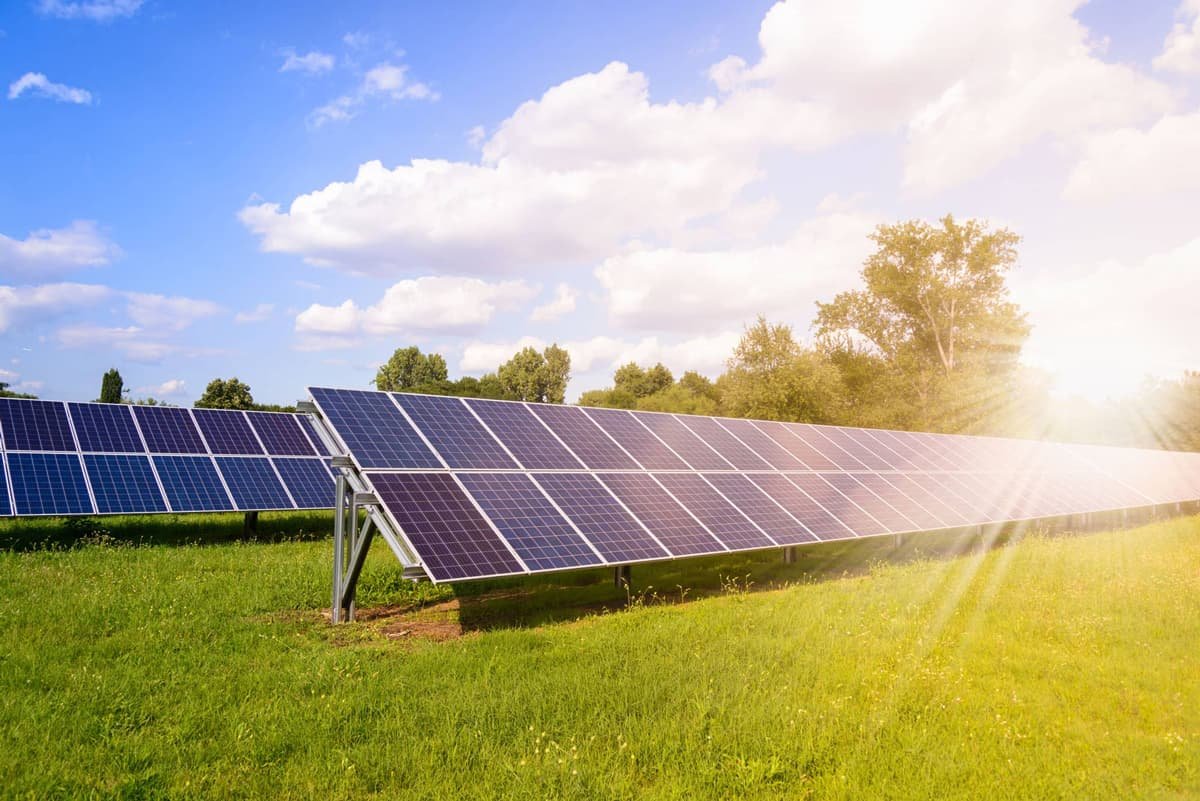
- Solar Mini-Grids + Biomass Synergy: Solar powers communities by day; nighttime energy comes from cocoa husk briquettes (waste from our Nature-Based Solutions). No diesel. No smoke.
- Thermal Batteries from Local Clay: Storing energy in Ghanaian clay vessels (inspired by ancestral pottery) cuts storage costs by 60% vs. lithium.
- Ocean Carbon Removal Pilots: Partnering with fisherfolk to deploy kelp forests that absorb CO₂ and create marine nurseries—monitored via low-cost AI buoys built by GHIP youth.
- Committed to your success
- Absolute safety
Green Economy
- Our Integrated Solution:
- Carbon Market Access for the Invisible: We bundle Kayayei Green Village’s husk-briquette emissions reductions, Green Vault farmers (agroforestry) plots into certified credits
- Green Construction Advisory: Designing schools and clinics using Cocoahusk Eco-Boards + solar thermal walls. Cost: 40% below imported materials.
- Policy-Aligned Programming: Translating Ghana’s NDCs into street-level action e.g., training market porters as waste auditors for Accra’s plastic ban.
Nature-Based Solutions
- Our Integrated Solution:
- Agroforestry as Economic Engine: Cocoa farms interplanted with moringa (for nutrition) + neem (for pest control) + fast-growing Acacia auriculiformis (for carbon). Yield increase: 35%.
- Ecosystem Restoration with Teeth: Mangroves planted in degraded wetlands use biochar from husk waste to survive saline soils. Savannah grasslands are revived using rotational grazing designed with pastoralist elders.
- Carbon Credit Integrity: Blockchain-tracked projects where community stewards (65% women) monitor growth via simple SMS apps.
Green Education
- Our Integrated Solution:
- “Greener Habits” Edutainment: Comics where Anansi the Spider teaches circular economies; animation series on Yoruba water spirits protecting wetlands. All in 6 local languages.
- Community Stewardship: Kayayei graduates train elders in waste-to-value techniques, turning plastic bags into woven market mats sold to eco-tourists.
- School Sustainability Integration: GHIP students are working on designing solar cookers.
The GVI Integration Framework
Climate resilience in West Africa demands deep integration, where technology, ecology, and community agency intertwine. For every project, from solar mini-grids to mangrove restoration, we follow this non-negotiable 3-step framework:
01. Project Planning
Before we design a single panel or plant a seed, we listen.
Why it’s different: Most consultancies lead with tech. We lead with context.
- Community Co-Definition: Elders, youth, and frontline stewards (like Kayayei graduates or smallholder farmers) map problems using their metrics, not ours. Example: In Ashanti cocoa communities, we didn’t measure "carbon potential" first, we documented why husks were burned (safety fears, lack of storage) through storytelling circles.
- Ancestral Knowledge Integration: We partner with traditional custodians (fisher folk elders) to align solutions with cultural rhythms.
- Justice Audits: We screen projects for gender, disability, and generational equity before launch. No project proceeds if it excludes informal workers or street youth.
02 Research & Analysis
We engineer connections where others see silos.
Why it’s different: Most "sustainability projects" operate in isolation. Ours are living circuits.
- Waste: Resource Flows:
Cocoa husks from our agroforestry farms → fuel GHIP classroom stoves → power youth-led sensor labs monitoring mangrove growth → carbon credits fund Kayayei scholarships. - Tech as Community Tool:
Solar mini-grids in Northern Ghana don’t just power lights, they energize Cocoahusk micro-factories run by women’s co-ops, with battery waste heat warming fish ponds in restored wetlands. - Policy-Practice Bridges:
We translate national NDCs into street-level action: Example: Ghana’s plastic ban now employs former market porters as waste auditors trained in GHIP programs.
03 Contract & Install
We exit when ownership is irreversible.
Why it’s different: Most NGOs measure "beneficiaries." We measure owners.
- Wealth Circulation Protocols:
- 45% revenue rule: Minimum 70% of project income flows directly to community stewards (e.g., Kayayei girls earn ₵15/day shaping Eco-Boards; farmers hold equity in carbon credits).
- Land justice: All ecosystem projects (mangroves, agroforestry) are registered under community land trusts—not GVI.
- Skills-to-Power Pathways:
GHIP youth don’t just "learn solar tech" they become certified technicians who maintain mini-grids and train corporate partners (like MTN Ghana) on circular systems.
Partner With Purpose
We design engagements that honor your capacity while accelerating systemic change: Immediate Action
• Schools:
Adopt GHIP’s "Campus Greening Kit" (seed libraries, waste audits, elder storytelling sessions).
24/7 Skilled Support
Established in 1997, Solar Revolution is Erie, PA’s number one residential and commercial solar installation company.
• NGOs:
Cross-program leverage.