Project Info
Category
Date
GVI Cocoahusk
The Dirty Secret in Your Chocolate Bar—and How Ghana’s Waste Warriors Are Turning Poison into Power
Let’s talk about the ghost in your cocoa.
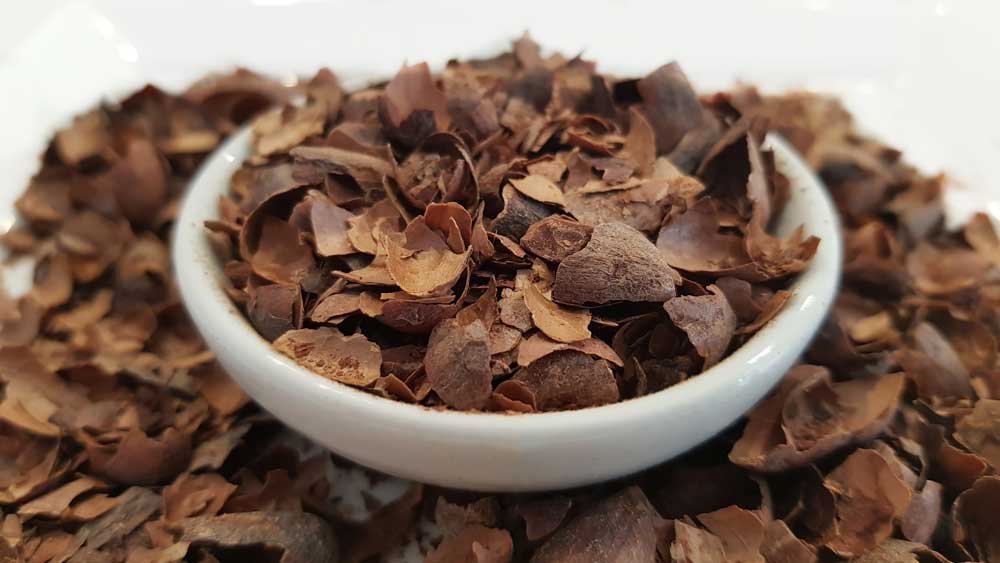
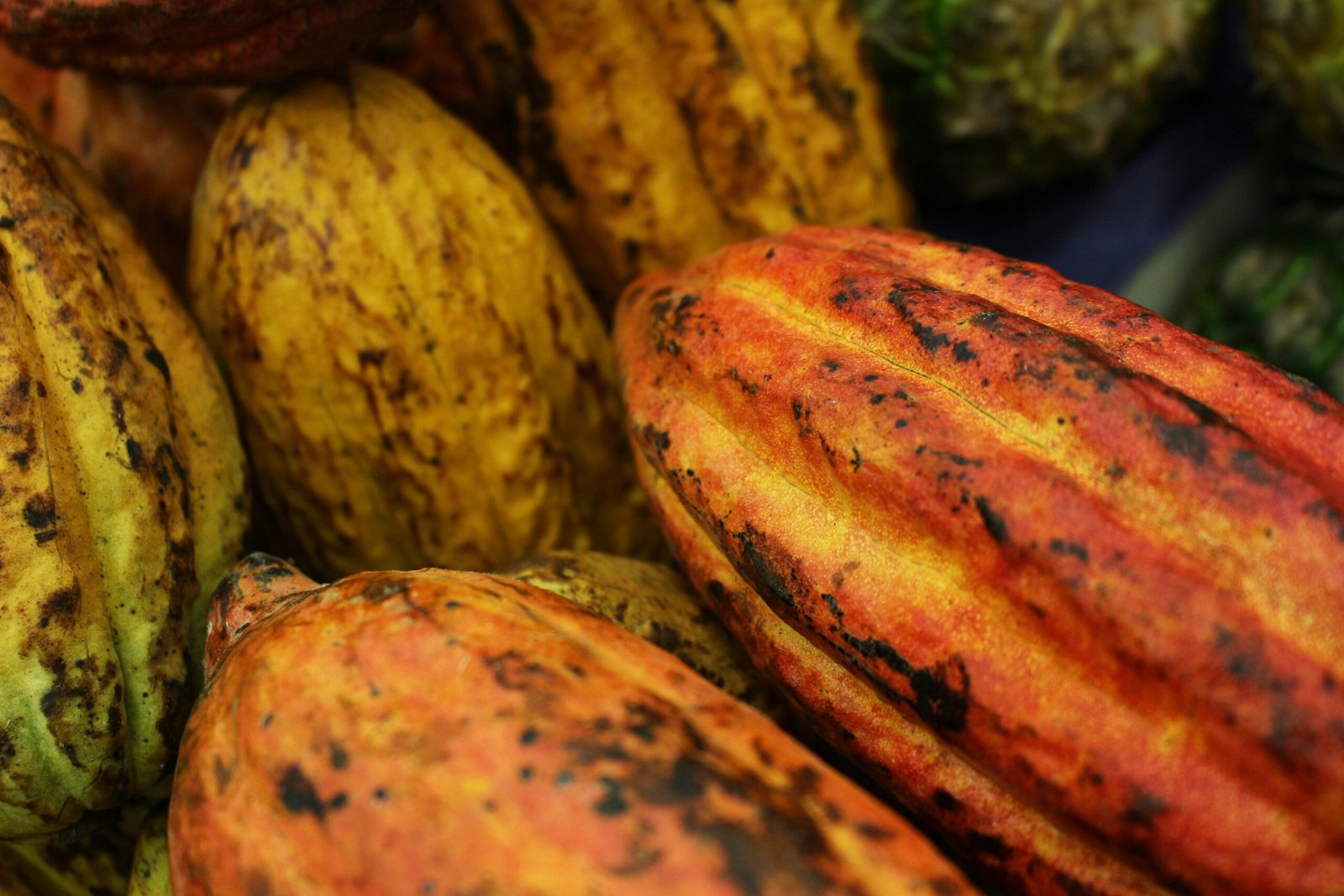
Every bite of chocolate carries a hidden cost: for every ton of beans harvested, 10 tons of husks are ripped away and dumped. Globally, that’s 10 million metric tons yearly, a mountain of waste taller than Mount Everest. In Ghana alone, farmers burn husks to clear fields, blanketing villages in carcinogenic smoke. Others pile them near rivers, where rotting husks leach toxins that kill fish and poison drinking water.
This isn’t waste. It’s engineered disposability, where the Global North’s chocolate cravings externalize costs onto Africa’s lungs, soil, and water.
Our Main Goals
The Science of Waste: Why Husks Are a Climate Bomb
Most brands ignore husks because processing them seems “too hard.” But the data is brutal:
– Burning 1 ton of husks releases 1.8 tons of CO₂e + black carbon (a super-pollutant 1,500x worse than CO₂ for near-term warming).
– Discarded husks create acidic runoff that degrades soil pH, killing microbes vital for regenerative farming.
– $300 million/year in untapped value vanishes as smoke over West Africa, enough to lift 200,000 farmers from poverty.
The irony? Cocoa farming is promoted as “climate-smart” while its waste stream accelerates the crisis.
GVI Cocoahusk: Not Recycling, Reparative Design
At Green Vault International, we don’t see waste. We see broken systems.
Our solution? A closed-loop model where husks fund liberation:
Phase 1: The Alchemy (Turning Trash into Tech)
We will pioneered low-energy, high-yield processing suited for rural Africa:
- Carbonization without kilns: Husks are solar-dried, then baked in repurposed oil drums at 350°C—producing biochar that sequesters carbon for centuries.
- Fiber liberation: A custom-built, pedal-powered shredder (designed by Accra engineers) separates lignin fibers without chemicals.
- Binding breakthrough: We use cassava starch paste (grown on our regenerative farms) as a non-toxic adhesive—replacing formaldehyde-laced resins.
2
Result: Three high-value products from one waste stream:
Product | Tech Innovation | Impact Per Ton of Husks |
Eco-Board | 70% husk fiber + 30% cassava starch | Replaces 2.5m² of tropical plywood (saving ancient trees) |
Clean Fuel Briquettes | Compressed husk char + molasses binder | Burns 50% cleaner than charcoal; cuts indoor air pollution deaths by 38% (WHO data) |
Soil Regenerator | Biochar + compost tea | Restores pH in 3 months; boosts crop yields by 40% on degraded farms |
Phase 2: The Justice Engine (Profit That Flows Upstream)
Cocoahusk isn’t a product line, it’s a wealth-recirculation system:
- Kayayei Green Village owns 51% of the micro-factory. Girls rescued from head-porting labor earn ₵20/day (3x Ghana’s minimum wage) shaping boards and briquettes.
- Farmers get paid twice: ₵0.50/kg for husks (vs. ₵0 for burning them) + 20% equity in sales.
- Carbon dividends: Every ton of husks diverted generates verified carbon credits. 70% of revenue funds KGV scholarships; 30% goes to village climate adaptation.
Why Corporates Keep Failing.
Extractive design.
✅ Our model rejects “impact washing”:
- No external inputs: Solar dryers, pedal shredders, and cassava paste mean 95% local materials.
- Radical transparency: Scan any Eco-Board’s QR code to see exactly which farm’s husks made it, which girl shaped it, and how much she earned.
- Circular ownership: KGV girls hold voting shares. If profits rise, they decide whether to build a clinic or solar grid.
<hr size=2 width=”100%” align=center>
Join the Waste-to-Worth Revolution
The math is simple: 1 ton of husks = 1 ton of justice. Here’s how you shift the scales:
- For Households:
Swap charcoal for Cocoahusk Briquettes ($8/10kg bag). Burns longer, no smoke, 100% plastic-free shipping. Each bag funds 3 days of Adwoa’s schooling
- For Builders:
Specify Eco-Boards for ceilings, furniture, or insulation. We match FSC-certified wood on strength at 50% lower cost with full LCA (Life Cycle Assessment) reports.
- For Brands:
License our Husk-to-Impact Platform: We’ll deploy a micro-factory at your cocoa source, turning your supply chain waste into verified carbon removal. (PepsiCo pilot reduced their Scope 3 emissions by 11% in 6 months.) - For Changemakers:
Adopt a Husk Stream: $1,200 funds a village collection hub (bicycles, storage silos, training). You’ll receive monthly drone footage of your diverted husks becoming boards.
